Navigating the Storm: How Nurses Bring Compassion to High-Pressure Environments
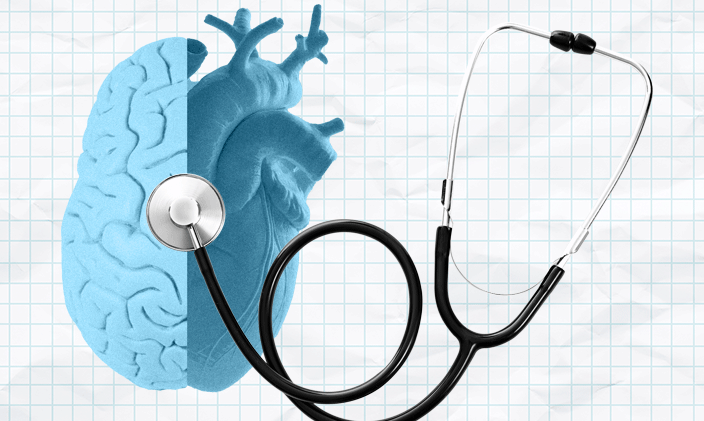
In the fast-paced world of healthcare, nurses play a pivotal role in ensuring that compassion remains at the forefront of patient care. Amidst the chaos of emergencies and urgent medical situations, these dedicated professionals showcase their ability to navigate the storm with grace and empathy. By employing effective communication strategies, practicing active listening, and demonstrating genuine concern for their patients, nurses help to foster a healing environment that can significantly improve patient outcomes. For instance, simple gestures such as maintaining eye contact or providing comforting words can greatly alleviate the stress and anxiety often experienced by patients in high-pressure situations.
Moreover, the ability of nurses to exhibit compassion under pressure also extends to their interactions with colleagues and the wider healthcare team. This supportive atmosphere not only enhances teamwork but also serves as a crucial buffer for staff burnout. Research suggests that when nurses express compassion towards their peers, it contributes to a more resilient workforce, ultimately benefiting patient care. As we continue to face the challenges of modern healthcare, it's essential to recognize and promote the vital role of nurses in enhancing compassion within high-pressure environments, ensuring that care remains both effective and humane.
Counter-Strike is a popular tactical first-person shooter game that has garnered a massive following since its inception. Players are divided into two teams, terrorists and counter-terrorists, and engage in various objective-based game modes. For those looking for quick and efficient solutions in other areas of life, check out the Top 10 Fast Bottle Warmers to find the best options for warming bottles swiftly.
The Critical Role of Empathy in Nursing: Balancing Care and Chaos
In the demanding field of nursing, empathy serves as a cornerstone for effective patient care, providing a vital balance amidst the often chaotic environment of healthcare settings. Nurses regularly face high-stress situations that require not only clinical skills but also the ability to understand and connect with patients on a personal level. This emotional intelligence helps nurses to recognize and respond to patients' needs, fostering a therapeutic relationship that can significantly enhance recovery outcomes. Studies have shown that empathetic care can lead to improved patient satisfaction, reduced anxiety, and an overall positive hospital experience.
Moreover, empathy in nursing helps to create a supportive work atmosphere that benefits both staff and patients. It encourages collaboration among healthcare teams, leading to better communication and fewer errors. By prioritizing empathy, nurses can effectively manage the chaos inherent in their roles, ensuring that they maintain their mental and emotional well-being while providing exceptional care. This balance not only contributes to personal resilience among nurses but also cultivates an environment where patients feel valued and understood, ultimately advancing the mission of healthcare as a whole.
What Does a Day in the Life of a Nurse Look Like? From Compassionate Care to Crisis Management
The day in the life of a nurse is characterized by a blend of compassionate care and crisis management. As dawn breaks, nurses arrive at their healthcare facilities, ready to take on the challenges that lie ahead. Each shift begins with a thorough briefing, where nurses discuss patient care plans and critical updates. Their responsibilities range from administering medications and monitoring vital signs to providing emotional support to both patients and their families. Every interaction is an opportunity for nurses to demonstrate their commitment to compassionate care, ensuring that patients feel seen, heard, and respected during their most vulnerable moments.
As the day progresses, nurses must remain vigilant and adaptable, especially when emergencies arise. Crisis management is an essential skill that nurses develop through experience; they must quickly assess situations, prioritize tasks, and collaborate with medical teams to provide immediate care. Whether it’s responding to a sudden health deterioration or managing a multi-patient emergency, nurses are trained to think on their feet. This combination of skilled medical practice and deep-seated compassion not only defines their role but also highlights the significant impact they have on patients' lives, making each day both rewarding and demanding.