Navigating the Deposit & Withdrawal Maze: From Fiat to Crypto & Back Again (With FAQs!)
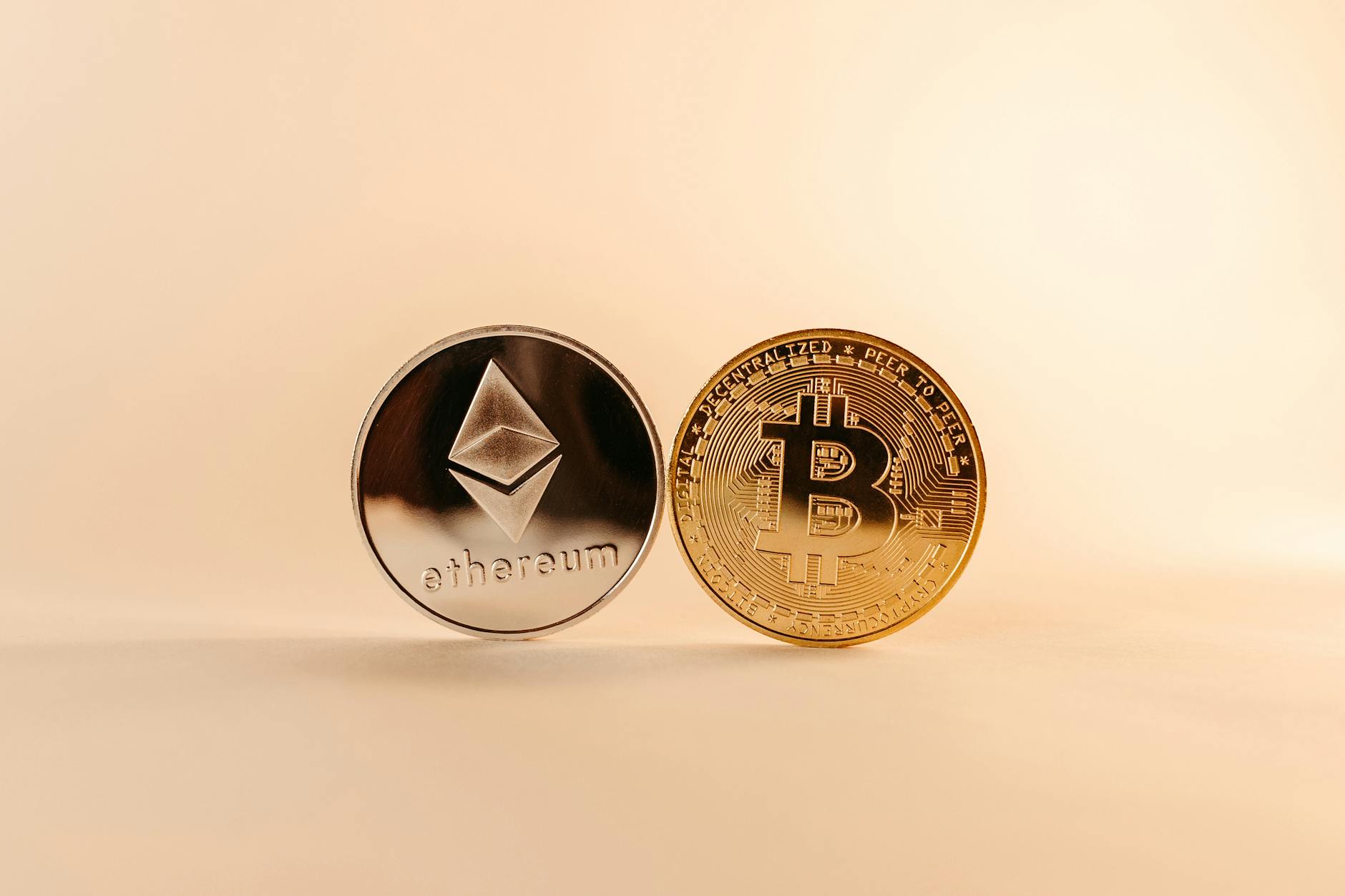
The world of online gaming, particularly casinos and sportsbooks, has undergone a significant transformation with the rise of cryptocurrencies. While traditional fiat currencies like USD or EUR remain prevalent, the allure of crypto lies in its decentralized nature, faster transaction times, and often lower fees. Navigating this landscape requires understanding the various deposit and withdrawal methods available, from familiar credit/debit cards and e-wallets to the increasingly popular Bitcoin, Ethereum, and other altcoins. Each option comes with its own set of advantages and disadvantages regarding processing speed, limits, and security protocols. For instance, while a bank transfer might take several business days, a crypto deposit can often be near-instantaneous, provided the blockchain isn't congested. Understanding these nuances is crucial for a smooth and efficient gaming experience.
Beyond the initial deposit, the withdrawal process often presents its own unique challenges and considerations. Players need to be aware of minimum and maximum withdrawal limits, which can vary significantly between platforms and payment methods. Furthermore, some platforms might impose KYC (Know Your Customer) requirements, particularly for larger withdrawals, to comply with anti-money laundering regulations. Converting your crypto winnings back into fiat can also involve additional steps and potential exchange fees. It's essential to research and understand the specific policies of each gaming platform regarding withdrawals, including any associated fees, processing times, and verification procedures. Don't be afraid to consult the platform's FAQ section or customer support if anything is unclear – a little due diligence upfront can save a lot of headaches later.
Crypto casinos offer a revolutionary way to gamble online, utilizing blockchain technology for enhanced security and transparency. These platforms allow players to bet with various cryptocurrencies, providing a decentralized and often anonymous gaming experience. If you're looking for a cutting-edge gaming experience, a crypto casino might be the perfect choice for you, offering fast transactions and provably fair games.
Beyond Bitcoin: Unpacking Altcoin & Stablecoin Payments – What's Fast, What's Safe, What's Costly?
While Bitcoin pioneered the crypto payment landscape, the burgeoning world of altcoins and stablecoins offers a diverse range of alternatives, each with unique trade-offs concerning speed, security, and cost. When considering altcoin payments, many users gravitate towards networks boasting faster transaction finality and lower gas fees. For instance, Solana (SOL) and Avalanche (AVAX) frequently outperform Bitcoin in terms of transaction per second (TPS) and associated costs, making them attractive for micro-transactions or high-frequency payments. However, the inherent volatility of many altcoins presents a significant hurdle for merchants and consumers seeking price stability. This is where stablecoins enter the picture, aiming to bridge the gap between crypto's efficiency and traditional fiat's predictability.
Stablecoins, pegged to the value of fiat currencies like the US dollar, offer a compelling solution for businesses looking to accept crypto payments without exposure to market fluctuations. Projects like USD Coin (USDC) and Tether (USDT), built on various blockchains, provide a relatively stable medium of exchange. This stability makes them particularly appealing for international remittances and e-commerce, where rapid settlement and predictable value are paramount. However, even within the stablecoin ecosystem, differences exist. Transaction fees can vary significantly depending on the underlying blockchain (e.g., Ethereum's higher gas fees versus Tron's lower costs), and the level of decentralization and auditing practices can impact perceived safety. Ultimately, the 'best' option hinges on the specific needs of the transaction: high-volume, low-cost payments might favor certain altcoins or stablecoins on efficient chains, while maximum security and decentralization might lead back to Bitcoin.