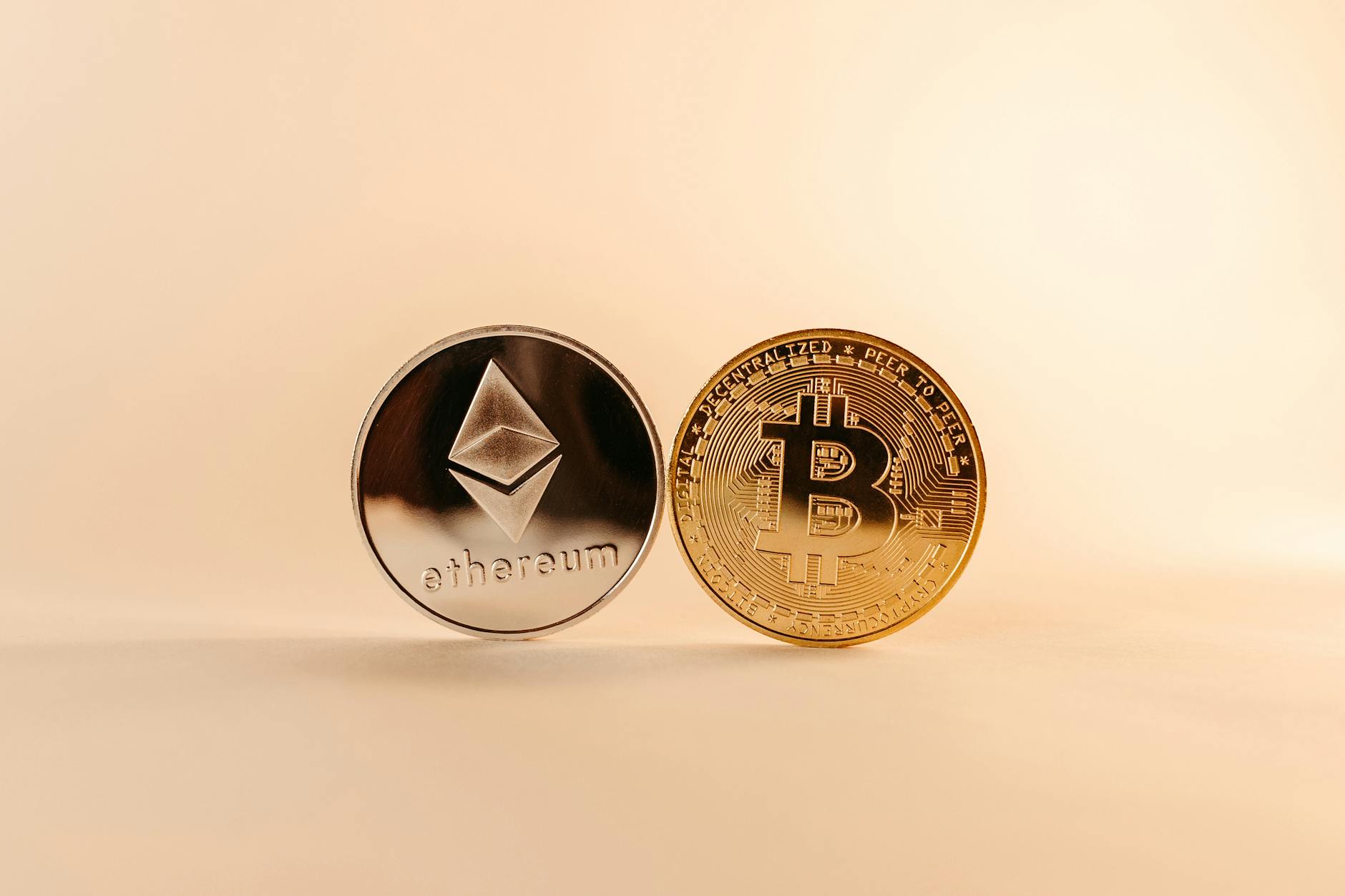
Demystifying Decentralized Liquidity Pools: Your Guide to Understanding and Participating
Decentralized liquidity pools are the beating heart of DeFi, enabling frictionless trading and asset exchange without intermediaries. Imagine a collective pot of cryptocurrencies, supplied by various users, that facilitates instant swaps between different tokens. Instead of a traditional order book, these pools rely on an automated market maker (AMM) algorithm to determine asset prices based on the supply and demand within the pool. This innovative mechanism eliminates the need for buyers and sellers to directly match, significantly reducing slippage and increasing capital efficiency. Understanding how these pools function is crucial for anyone looking to navigate the exciting, yet sometimes complex, world of decentralized finance.
Participating in a decentralized liquidity pool, often referred to as 'liquidity providing,' involves depositing a pair of tokens into a smart contract. In return, you receive liquidity provider (LP) tokens, which represent your share of the pool. As trades occur within the pool, a small fee is charged, and a portion of these fees is distributed proportionally to LP token holders, serving as an incentive for providing liquidity. However, it's vital to be aware of
impermanent loss, a unique risk associated with liquidity provision where the value of your deposited assets might diverge from simply holding them due to price fluctuations. Despite this risk, the potential for earning passive income and contributing to the decentralized ecosystem makes liquidity providing an attractive option for many crypto enthusiasts.
Decentralized betting platforms are revolutionizing the gambling industry by leveraging blockchain technology to create transparent, fair, and secure environments for wagering. Unlike traditional bookmakers, these platforms operate without a central authority, allowing users to place bets directly against each other or a smart contract, fostering trust and eliminating the need for intermediaries. This innovative approach to decentralized betting ensures that all transactions are recorded on an immutable ledger, providing unparalleled transparency and reducing the risk of fraud.
Betting Smarter: Practical Strategies & FAQs on Leveraging Decentralized Liquidity for Better Odds
Navigating the burgeoning landscape of decentralized finance (DeFi) for betting can unlock significantly better odds and more transparent operations. Unlike traditional bookmakers who often bake in substantial margins, decentralized liquidity pools leverage smart contracts to facilitate peer-to-peer betting, directly impacting your potential returns. Understanding how these pools are funded and how odds are calculated is paramount. Many platforms utilize automated market makers (AMMs) to determine odds based on the ratio of assets within a pool, allowing for dynamic adjustments that reflect true market sentiment rather than a centralized entity's profit agenda. This often translates to thinner margins and, consequently, more favorable odds for you, the bettor. Look for platforms that offer clear documentation on their AMM algorithms and liquidity provision mechanisms to ensure you're making informed decisions.
When delving into decentralized betting, several FAQs frequently arise.
"How do I ensure the security of my funds?" is a common concern. Always prioritize platforms that have undergone extensive audits by reputable third parties and consider using hardware wallets for enhanced security.Another key question is, "How do I get started?" Typically, you'll need a Web3 wallet (like MetaMask), some cryptocurrency (often Ethereum or a stablecoin), and an understanding of gas fees associated with blockchain transactions. Familiarize yourself with the specific platform's withdrawal processes and any potential lock-up periods for liquidity providers. Lastly, "Are there any regulatory risks?" The regulatory landscape for DeFi is still evolving, so be aware of the legal implications in your jurisdiction. Always conduct thorough due diligence before committing your funds to any decentralized betting platform.