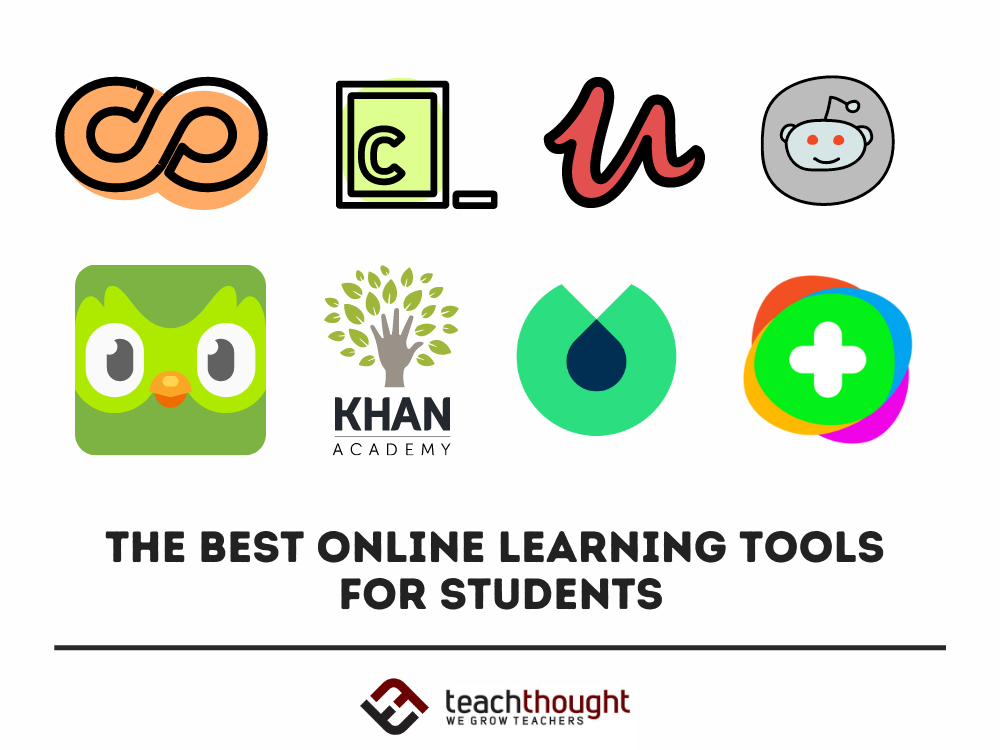
10 Innovative Learning Tools That Will Change How You Study
In today's fast-paced world, innovative learning tools have revolutionized the way students approach their studies. With technology advancing rapidly, we now have access to a myriad of resources that can enhance our learning experience. Here are 10 innovative learning tools that are guaranteed to change how you study:
- Quizlet: A popular study tool that allows you to create flashcards and quizzes based on your study material.
- Evernote: An excellent note-taking app that helps you organize your study materials efficiently.
- Duolingo: A fun and interactive way to learn new languages at your own pace.
- Coursera: Offers a range of online courses from top universities to expand your knowledge.
- Trello: A project management tool that can help you organize group study sessions and assignments.
These tools not only make studying easier but also more engaging. By incorporating visual aids, gamification, and collaborative features, they cater to various learning styles. Using such tools can enhance retention and comprehension of material. For instance, using MindMeister allows you to create mind maps that visually outline your thoughts and ideas, which can be invaluable during revision. Additionally, platforms like Khan Academy provide free instructional videos to aid your understanding of complex topics and boost your confidence in your studies.
Counter-Strike is a popular tactical first-person shooter game that has captivated players worldwide since its inception. The game pits two teams against each other, typically known as terrorists and counter-terrorists, in various objective-based scenarios. Players must use strategy, teamwork, and skill to succeed, making each match a unique experience. If you're looking for some great presents for students who love gaming, check out our Top 10 Tech Gifts for Students that can enhance their gaming setup.
How to Choose the Right Learning Tool for Your Needs
Choosing the right learning tool is essential to effectively enhance your skills and knowledge. With an overwhelming number of options available, it's crucial to assess your personal learning style and objectives. Start by identifying whether you prefer visual, auditory, or kinesthetic learning methods. This understanding will help you filter through various tools such as online courses, interactive apps, or traditional textbooks. Once you've determined your preferred learning style, consider the following factors:
- Cost: Is the tool affordable or does it offer free trials?
- User Experience: Is the interface intuitive and easy to navigate?
- Content Quality: Are the materials from reputable sources?
Once you have narrowed down your options, it’s time to evaluate how well each tool aligns with your specific goals. For example, if you're looking to improve your technical skills, coding platforms like Codecademy might be ideal. On the other hand, if you're focused on language acquisition, immersive tools like Rosetta Stone may suit your needs better. Additionally, community support can play a pivotal role in your learning journey, so consider platforms that offer forums or peer interaction for guidance. Ultimately, the right learning tool should not only meet your educational requirements but also promote a motivating and engaging learning experience.
The Ultimate Guide to Interactive Learning Tools: What You Need to Know
Interactive learning tools are becoming essential in today's educational landscape, offering innovative ways to engage learners of all ages. These tools leverage technology to promote active participation, allowing students to explore concepts in a more immersive way. From gamified quizzes to interactive simulations, there are various formats that can cater to diverse learning styles. Incorporating these tools in the classroom not only enhances comprehension but also increases motivation. Here are a few popular categories of interactive learning tools:
- Educational Games: Fun and competitive, perfect for reinforcing concepts.
- Virtual Labs: Allow hands-on experimentation without the constraints of physical materials.
- Interactive Whiteboards: Great for collaborative learning, enabling multiple students to participate simultaneously.
When selecting interactive learning tools, it’s crucial to consider factors such as usability, accessibility, and alignment with educational objectives. The goal should always be to enhance the learning experience rather than distract from it. Additionally, incorporating feedback loops through these tools can provide valuable insights into student progress, allowing for more personalized instruction. As technology continues to evolve, keeping abreast of the latest advancements in interactive tools will empower educators to create dynamic and effective learning environments. Remember, the right blend of traditional teaching methods and innovative tools can lead to the best educational outcomes for your students.