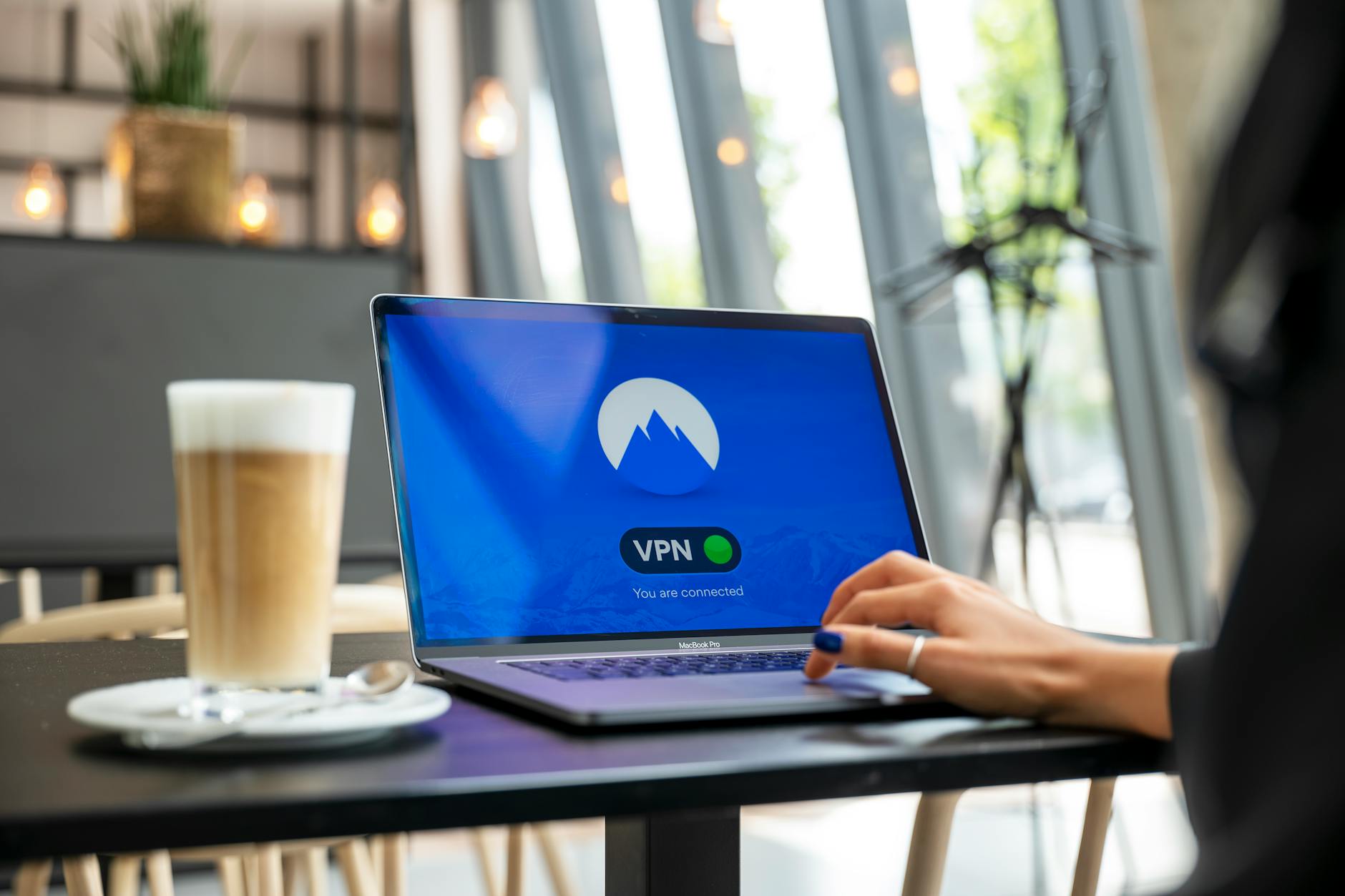
Does Server Distance Really Matter? (And How to Find Your Closest VPN Server)
When it comes to VPNs, server distance is a more significant factor than many realize, directly impacting your internet speed and overall experience. Every data packet sent between your device and the VPN server, and then to its final destination, travels through physical infrastructure. The further this journey, the greater the potential for latency – the delay in data transmission. Think of it like a long-distance phone call; the more connections and distance involved, the higher the chance of a slight echo or lag. A VPN server located across the globe will almost invariably result in slower speeds compared to one in your own country or a neighboring one. This is particularly crucial for activities like online gaming, video streaming in HD or 4K, and large file downloads, where even minor delays can cause noticeable frustration.
Finding your closest VPN server is thankfully a straightforward process, and most reputable VPN providers make it incredibly easy. Typically, your VPN client or app will offer an option to automatically connect to the 'fastest' or 'recommended' server, which is usually the one geographically closest to your current location. However, for those who prefer manual selection or want to experiment, you can often browse a list of server locations within the VPN application and see their associated ping times or load percentages. Lower ping generally indicates a closer and less congested server. Furthermore, some advanced VPN clients allow you to sort servers by country or even city, empowering you to make an informed decision based on your specific needs and the content you're trying to access. Don't be afraid to test different nearby servers to find the optimal balance of speed and stability for your connection.
A free VPN can offer a basic level of online privacy and security, encrypting your internet connection and masking your IP address. However, it's important to be aware of the potential limitations and risks associated with free services. For more information on finding a reliable free VPN, consider researching reputable providers and understanding their terms of service.
Beyond Ping: Practical Tips for Optimizing Your Speed & Answering Your VPN Proximity FAQs
While a quick ping test offers a basic snapshot of network latency, true VPN optimization extends far beyond this singular metric. To genuinely improve your connection speed, consider a multi-pronged approach. First, regularly update your VPN client and operating system; older software can harbor inefficiencies. Next, experiment with different VPN protocols; WireGuard or OpenVPN UDP often outperform OpenVPN TCP for speed. Also, check your local network for bottlenecks. Is your router outdated? Are other devices hogging bandwidth? Implementing Quality of Service (QoS) settings on your router to prioritize VPN traffic can significantly enhance performance, especially during peak usage. Don't forget to clear your browser's cache and cookies, as accumulated data can sometimes slow down load times, irrespective of your VPN connection.
A common concern among VPN users revolves around server proximity, and rightly so. While connecting to a server geographically closer to you generally reduces latency, it's not the only factor. A server that's closer but heavily overloaded can perform worse than a slightly more distant, less congested server. Therefore, don't just pick the closest city; try a few nearby options. Furthermore, consider the physical infrastructure between you and the server:
"The internet is not a straight line."A server in a neighboring country might have a more direct and less congested data path than one in your own country, depending on international internet exchange points. Many VPN providers offer server load indicators; always prioritize servers with lower loads for optimal speed. Regularly testing different servers and noting their performance under various conditions will help you identify the best options for your specific needs, even if they aren't the absolute closest on a map.