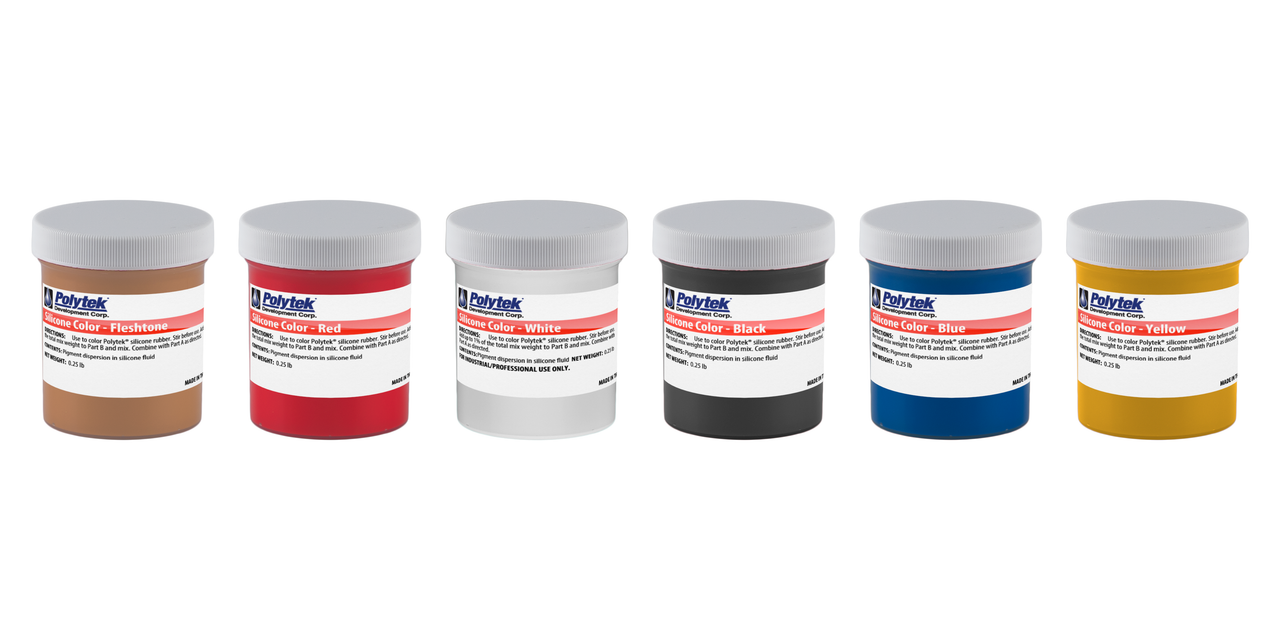
5 Innovative Projects to Transform Your Silicone Dreams into Reality
Silicone has become a game-changer in various industries, from healthcare to beauty, and the innovations surrounding it are truly remarkable. Here are 5 innovative projects that can help you turn your silicone dreams into reality:
- Smart Silicone Implants: Researchers are exploring the development of smart silicone implants that can monitor health metrics in real-time, providing valuable data for preventative healthcare.
- Eco-Friendly Silicone Alternatives: Projects aimed at creating biodegradable silicone solutions are gaining momentum, offering sustainable options for various applications.
- Wearable Technology: Innovations in silicone-based wearables are transforming fitness and health tracking, marrying comfort with cutting-edge technology.
- Silicone 3D Printing: Groundbreaking 3D printing techniques using silicone are allowing designers to create customized products that meet unique consumer needs.
- Silicone in Construction: New applications of silicone in construction materials are improving durability and energy efficiency in building projects.
Counter-Strike is a popular first-person shooter game that emphasizes teamwork and strategy. Players can choose to play as terrorists or counter-terrorists, with the objective being to complete missions or eliminate the opposing team. For those looking to enhance their gaming experience, check out the Top 10 Apple Watch Bands for Sweating to find suitable accessories that can handle intense gaming sessions.
The Ultimate Guide to Working with Silicone: Tips and Techniques
Working with silicone can be a game-changer for various DIY projects and crafts. It is essential to understand its properties to ensure you get the best results. Silicone is durable, flexible, and resistant to moisture and heat, making it an ideal material for molds, seals, and various household items. Here are some tips to help you make the most out of your silicone projects:
- Choose the Right Type: There are various types of silicone available, including food-grade, high-temperature, and automotive silicone. Select the right one based on your project's needs.
- Preparation is Key: Always clean the surface where you will be applying the silicone. Dust and grease can compromise adhesion.
- Use the Right Tools: Utilize caulking guns or silicone dispensers for a smooth application. A spatula can also be handy for spreading it evenly.
Once you have chosen the right silicone and prepared your surfaces, the next step is application. It's best to work in a well-ventilated area, especially with silicone that may contain strong odors. Remember to follow the manufacturer's instructions regarding curing times and conditions. After it is cured, silicone can be trimmed or shaped as needed:
“Cured silicone can withstand high temperatures and is resistant to many chemicals, making it versatile in all types of projects.”
For best results, consider applying a silicone release agent if you’re working with molds; this helps in easy demolding. Lastly, always remember to wear protective gloves to avoid any skin irritation while handling silicone products.
How to Choose the Right Silicone for Your Creative Projects
Choosing the right silicone for your creative projects can significantly impact the quality and outcome of your work. First, consider the specific application you have in mind. Silanes and siloxanes are common types that offer different properties, such as temperature resistance or flexibility. If your project involves molds for casting or crafting intricate designs, look for silicone elastomers, which provide excellent detail reproduction and durability. Alternatively, if you need something that withstands high temperatures, options like high-temperature silicone are recommended. Create a checklist of your project requirements and match them with the features of different silicone types to make an informed choice.
Another critical factor when selecting silicone is the cure time and working time. Different silicones have varying curing schedules, which can affect your workflow. For instance, if you’re working on a time-sensitive project, a quick-setting silicone may be more advantageous. On the other hand, if you prefer a longer working time to adjust your designs, opt for products that allow for ample manipulation before they set. Additionally, consider the shore hardness of the silicone, as a range from soft to hard silicone can change the flexibility and resilience of your finished piece. By carefully evaluating these factors, you’ll be able to select the right silicone that aligns perfectly with your creative vision.