**MCP Servers Explained: What They Are & Why They're Crucial for AI Agents (No Jargon, Just Clarity)**
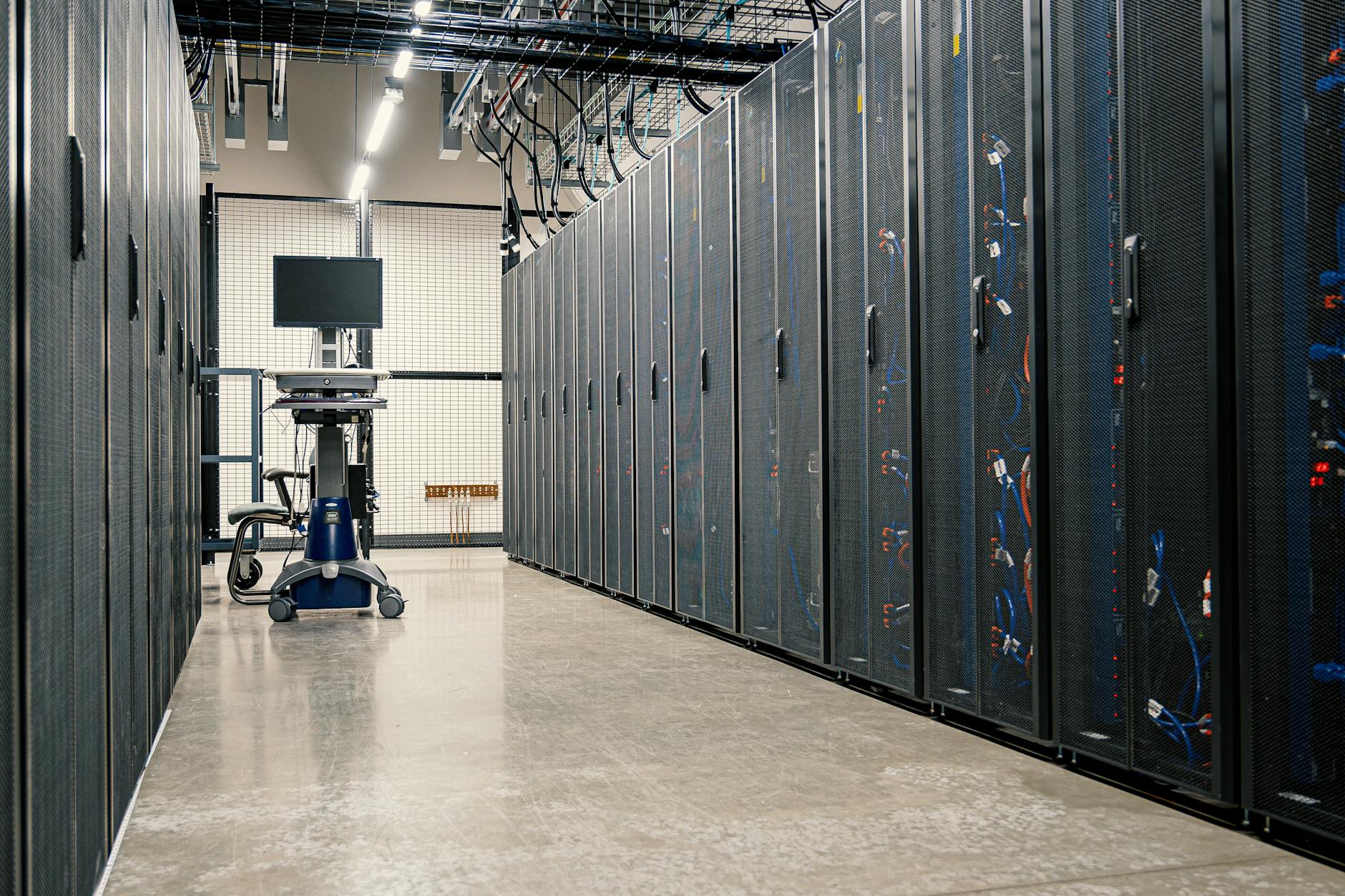
Imagine your AI agent, whether it's powering a helpful chatbot or an advanced data analyzer, as a brilliant mind. To truly unleash its potential and make it think faster and more accurately, it needs access to a special kind of 'brainpower' – and that's exactly what MCP Servers provide. MCP stands for "Massively Concurrent Processing," and in simple terms, these are super-efficient computer systems designed to handle an enormous number of tasks at the exact same time. Think of it like this: if a regular server is a single, talented chef, an MCP server is an entire brigade of chefs, all working simultaneously on different parts of a complex meal. This parallel processing capability is absolutely crucial for AI, which often needs to sift through vast amounts of information and perform countless calculations in mere milliseconds to deliver intelligent responses and make informed decisions.
The real magic of MCP Servers for AI agents lies in their ability to overcome performance bottlenecks that would cripple traditional systems. Without them, your AI might stutter, lag, or even fail to process complex requests, leading to a frustrating user experience or hindering critical operations. Consider an AI that needs to analyze live stock market data, respond to customer queries across thousands of users simultaneously, or power a self-driving car making split-second choices. Each of these scenarios demands instant, high-volume processing, and only an MCP Server can deliver that kind of performance. They are the silent workhorses that ensure your AI agents aren't just smart, but also fast and reliable, consistently providing the timely insights and actions that make them so valuable in today's data-driven world. In essence, MCP Servers are the muscle that allows AI brains to truly shine.
The Google News API provides developers with programmatic access to a vast collection of news articles from various sources. It allows for the retrieval of real-time news, historical data, and trending topics, making it an invaluable tool for applications requiring up-to-date information. Developers can integrate this API to build custom news feeds, conduct sentiment analysis, or monitor specific events across the globe.
**From Concept to Code: Practical Steps to Deploying & Scaling Your AI Agents on MCP Servers (Tips, Tricks & Common Pitfalls)**
Embarking on the journey from a nascent AI concept to a fully operational, scalable agent on Managed Cloud Platform (MCP) servers requires a structured approach. The initial phase, "Concept to Code," is critical. This involves not only robust model development but also meticulous preparation for deployment. Consider your agent's resource requirements early on – CPU, RAM, GPU (if applicable), and storage – as these directly influence your MCP server selection. Furthermore, containerization with Docker or Kubernetes is almost a non-negotiable best practice for ensuring portability and consistent environments. Don't forget robust version control for both your code and trained models;
"What gets measured, gets managed, and what gets versioned, gets deployed reliably."Thorough unit and integration testing locally will save countless headaches during staging and production deployment.
Once your AI agent is coded and tested, the next hurdle is efficient deployment and, crucially, scaling on MCP servers. Practical steps include setting up a Continuous Integration/Continuous Deployment (CI/CD) pipeline – think Jenkins, GitLab CI, or GitHub Actions – to automate builds, tests, and deployments. For scaling, leverage MCP's auto-scaling capabilities, configuring policies based on metrics like CPU utilization or request queue length. Common pitfalls include neglecting proper monitoring and logging; without these, diagnosing performance bottlenecks or errors in a distributed system becomes a nightmare. Over-provisioning resources initially due to lack of load testing is another frequent mistake, leading to unnecessary costs. Conversely, under-provisioning can lead to performance degradation and poor user experience. Regular security audits and updates are also paramount to protect your AI agents and data.