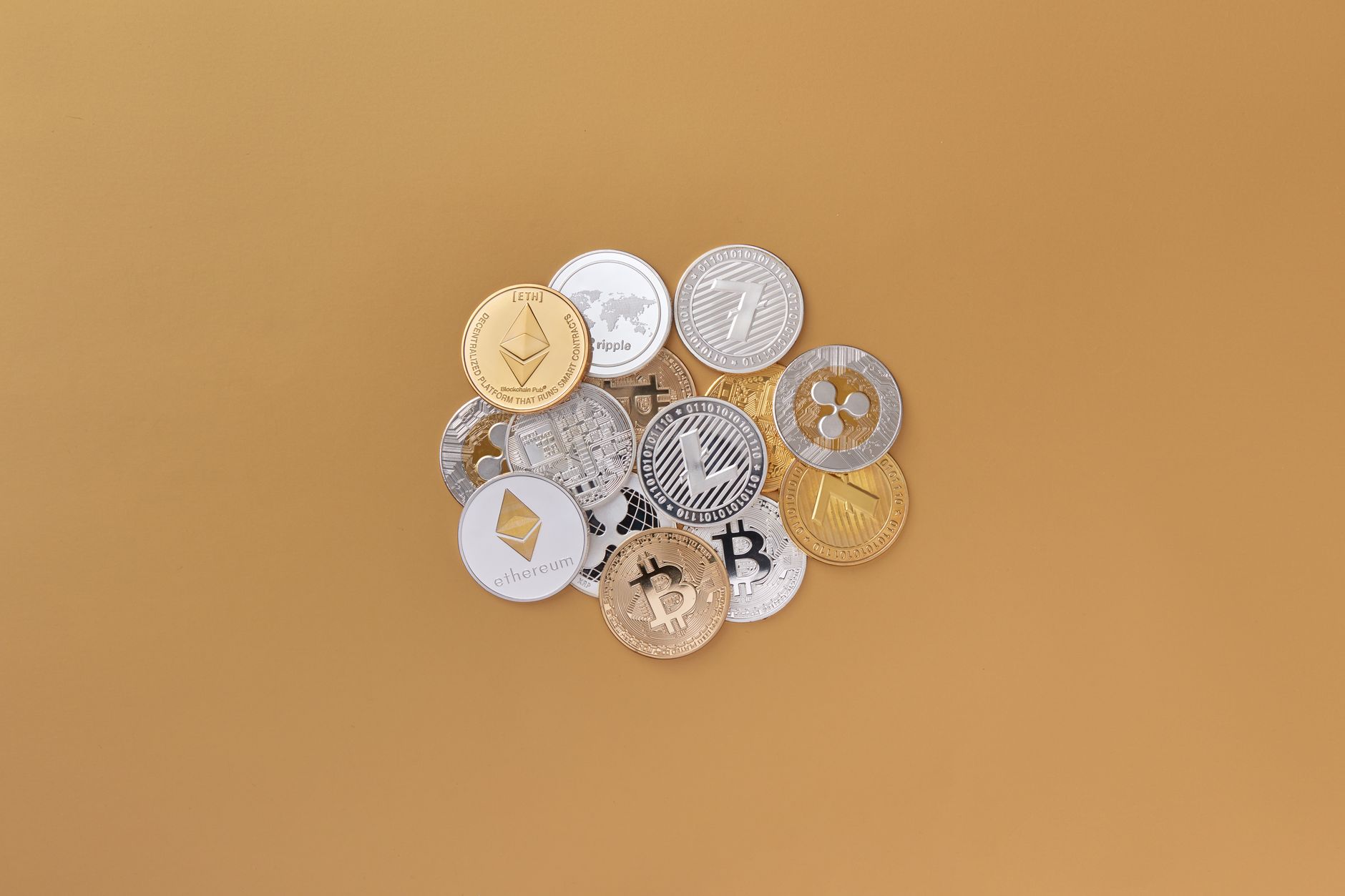
From Digital Fortune to Fiat Funds: Understanding the Crypto Withdrawal Process
Navigating the crypto withdrawal labyrinth can feel daunting, especially for newcomers. It's a crucial step in translating your digital gains into tangible, usable funds. Essentially, the process involves moving your cryptocurrency from an exchange or wallet where it's stored, converting it into a traditional fiat currency like USD, EUR, or GBP, and then transferring that fiat to a linked bank account. Understanding the nuances of this journey is paramount, as mishandling a step can lead to delays, fees, or even lost funds. This section aims to demystify this critical transition, ensuring you can confidently bridge the gap between your digital fortune and your everyday financial needs.
The core of a successful crypto withdrawal lies in understanding the various methods available and their associated implications. Typically, this involves initiating a withdrawal request on your chosen cryptocurrency exchange. You'll then specify the amount of crypto to sell and the fiat currency you wish to receive. Exchanges often offer several fiat withdrawal options, including:
- Bank Transfers (ACH/SEPA/Wire Transfer): These are generally reliable but can take several business days to process.
- Debit Card Withdrawals: Often faster but may incur higher fees.
- Third-Party Payment Processors: Services like PayPal or Revolut can offer quicker access to funds, depending on regional availability and exchange integration.
Always verify the fees and processing times associated with each method before confirming your withdrawal.
See also: Cryptocurrency - Wikipedia — For foundational understanding of the asset being withdrawn.
"The greatest risk in crypto isn't the volatility of the assets, but the lack of understanding in managing them."
Beyond selecting a withdrawal method, several factors can influence the speed and success of your transaction. Firstly, identity verification (KYC) is a mandatory step on most regulated exchanges before you can withdraw significant amounts of fiat. Ensure your account is fully verified to avoid delays. Secondly, be mindful of withdrawal limits, which exchanges impose daily or monthly. Exceeding these limits will halt your transaction. Finally, always double-check the recipient bank account details before confirming. A single incorrect digit can lead to funds being sent to the wrong account, a mistake that is often irreversible. Careful attention to these details will ensure a smooth and efficient transition from crypto to cash.
Navigating the Payout Maze: Practical Tips for Smooth Crypto Withdrawals
Withdrawing your hard-earned crypto doesn't have to be a headache. The first step to a smooth payout is understanding the platform's specific withdrawal policies. Each exchange or wallet provider will have different requirements, including minimum withdrawal amounts, transaction fees (which can vary significantly), and daily/monthly limits. Before initiating any transfer, always double-check these details to avoid unexpected delays or costly surprises. Furthermore, be aware of the different withdrawal methods available – some platforms offer direct bank transfers, while others might exclusively support transfers to other crypto wallets. Choosing the right method based on your needs and the platform's capabilities is crucial for a seamless experience.
Security is paramount when navigating crypto withdrawals. Always ensure you are on the official website or using the legitimate app of your chosen platform. Phishing scams are rampant, and entering your credentials on a fake site can lead to irreversible loss of funds. Enable and utilize two-factor authentication (2FA) for every transaction, adding an extra layer of protection. When entering wallet addresses, always double-check them. A single incorrect character can send your funds to an irretrievable address. Many platforms offer the option to save frequently used addresses, which can be a time-saver and a security boost, reducing the chance of manual errors.
Finally, patience and preparation are key to a stress-free withdrawal. Blockchain networks can experience congestion, leading to varying transaction times. While some withdrawals are near-instant, others might take several hours, or even longer during peak periods.
"Don't panic if your funds don't appear immediately; check the transaction ID on the relevant blockchain explorer for real-time status updates."Having a clear understanding of potential network fees is also vital. These fees, separate from platform fees, incentivize miners to process your transaction. During periods of high network activity, increasing the gas fee slightly can often expedite your withdrawal, though this is usually an advanced option.
See also: SEC Charges Dozens in Cases Involving Crypto Asset Securities — To highlight regulatory concerns and potential risks associated with crypto platforms.
Beyond the Basics: Common Questions and Troubleshooting for Your Crypto Cash Out
Navigating the crypto off-ramp can sometimes feel more complex than the on-ramp. One common question is about withdrawal limits and fees. Most exchanges impose daily or weekly limits, especially for new users or unverified accounts. These limits are in place for security and regulatory compliance, so always check your specific exchange's policy. Furthermore, be prepared for withdrawal fees, which can vary significantly depending on the cryptocurrency you're selling, the network congestion, and the exchange itself. Some platforms offer tiered fee structures, rewarding higher volume traders with lower costs. Always review the transaction details carefully before confirming your cash out to avoid any unwelcome surprises or unexpected deductions from your hard-earned profits.
See also: Cryptocurrency Exchange - Investopedia — Explaining the role of exchanges in converting crypto back to fiat currency.
Another frequent concern revolves around transaction times and potential delays. While crypto transactions are often touted for their speed, converting crypto to fiat and transferring it to your bank account isn't always instantaneous. Factors like bank holidays, varying processing times between financial institutions, and security checks by the exchange can all contribute to delays. If you're experiencing an unexpected hold-up, first check your exchange's transaction history for any pending statuses or error messages. It's also wise to ensure your bank account details are meticulously correct. A single typo can lead to significant headaches and prolonged waiting periods.
Remember, patience is often a virtue in the world of crypto cash outs, but proactive checking can save you stress.
Finally, users often inquire about tax implications and regulatory compliance. Cashing out crypto nearly always has tax consequences, as most jurisdictions consider crypto assets as property. It's crucial to keep meticulous records of your purchase prices, sale prices, and any associated fees. Many exchanges offer downloadable transaction histories to assist with this. For larger cash outs, some exchanges may also require additional identity verification (KYC/AML) to comply with anti-money laundering regulations. Failing to comply can lead to frozen funds or account restrictions. Always consult with a tax professional or financial advisor to understand your specific obligations and ensure you're compliant with local laws, as tax regulations surrounding cryptocurrency are constantly evolving and can be quite complex. You might also want to consider how these regulations apply to platforms like CryptoCasino, as they operate within this evolving landscape.
Choosing Your Exit Strategy: Exploring Different Crypto Withdrawal Methods
Navigating the crypto landscape isn't just about buying; it's also about understanding how to convert your digital assets back into tangible value. Choosing the right exit strategy is paramount, influencing everything from fees to transaction speed and security. Different withdrawal methods cater to varying needs, whether you prioritize instant access to funds or are willing to wait for better rates. Factors like your geographic location, the amount you wish to withdraw, and your comfort level with different platforms will all play a significant role in determining the most suitable option. It's not a one-size-fits-all scenario, and a well-informed decision can save you considerable time and money in the long run.
One of the most common withdrawal methods involves using centralized cryptocurrency exchanges (CEXs). These platforms, like Binance or Coinbase, allow you to sell your crypto for fiat currency (USD, EUR, etc.) and then withdraw it directly to your bank account via wire transfer, ACH, or SEPA. While convenient and often offering competitive rates, CEXs require KYC (Know Your Customer) verification, which involves providing personal identification. This can be a deterrent for those prioritizing privacy. Additionally, withdrawal limits and processing times can vary significantly between exchanges, so it's crucial to compare these aspects before committing to a platform. For larger sums, wire transfers might be preferred for their security, though they often incur higher fees.
Beyond traditional bank transfers, alternative withdrawal methods are gaining traction.
Peer-to-peer (P2P) platforms offer a more decentralized approach, allowing you to directly exchange crypto for fiat with other individuals.This can sometimes provide better rates and more flexible payment options, including cash meetups (though caution is advised here). For those seeking instant liquidity, some services offer crypto debit cards, enabling you to spend your digital assets directly at point-of-sale terminals or withdraw cash from ATMs. Furthermore, certain ATMs now support direct crypto-to-cash conversions, though these are still limited in availability and often come with higher transaction fees. Understanding the nuances of each option is key to selecting the most efficient and secure way to liquidate your crypto holdings.
Frequently Asked Questions
What cryptocurrency is best to use for withdrawals from a crypto casino?
The 'best' cryptocurrency often depends on your priorities. Bitcoin (BTC) and Ethereum (ETH) are widely accepted but can have higher transaction fees and slower confirmation times. Litecoin (LTC) and Ripple (XRP) offer faster and cheaper transactions, making them popular choices for withdrawals. Always check the casino's supported cryptocurrencies and their associated fees before making a decision.
How long does it typically take to withdraw crypto winnings from an online casino?
Withdrawal times vary significantly. Most crypto casinos process withdrawals within a few minutes to a few hours for established players. However, first-time withdrawals, large sums, or withdrawals requiring additional verification (KYC) can take longer, sometimes up to 24-48 hours. Network congestion for the specific cryptocurrency can also impact processing speed.
Are there any fees associated with withdrawing crypto from a casino?
Yes, it's common for crypto casinos to have withdrawal fees. These can be a flat fee, a percentage of the withdrawn amount, or a network transaction fee passed on to the user. Some casinos might offer one free withdrawal per day/week. Always check the casino's terms and conditions or the withdrawal section before initiating a transaction to understand the exact costs.
What information do I need to provide to withdraw my crypto winnings?
Typically, you'll need your cryptocurrency wallet address for the specific coin you're withdrawing. Ensure this address is correct, as a mistaken address can lead to irreversible loss of funds. Depending on the casino and local regulations, you might also be asked for Know Your Customer (KYC) documents, such as ID, proof of address, or a selfie, especially for larger withdrawals.