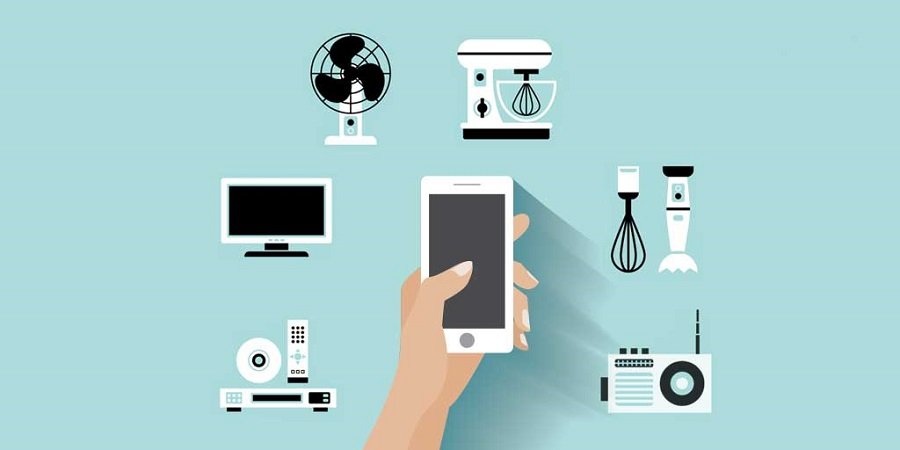
The Evolution of Our Bond: How Devices Became Our Trusted Companions
In the past few decades, the evolution of technology has led to profound changes in how we interact with devices. Once seen merely as tools for work, devices like smartphones, tablets, and laptops have transformed into trusted companions that accompany us throughout our daily lives. The integration of artificial intelligence and smart features in these devices has made them more intuitive and personal, creating a bond that transcends mere functionality. We now rely on our devices for not only communication but also for managing our health, social connections, and day-to-day tasks.
As we navigate this digital landscape, it’s essential to reflect on the ways our relationship with technology has evolved. From the early days of rudimentary handheld calculators to today's sophisticated gadgets, the journey highlights a growing dependence on our devices—not just for convenience but for emotional support. According to recent studies, a significant number of users report feelings of loneliness when disconnected from their devices, illustrating just how deeply embedded they are in our lives. The bond we share with our devices continues to grow, redefining our interactions and setting a new norm for companionship in the digital age.
Counter-Strike is a popular tactical first-person shooter game that has captivated millions of players worldwide since its initial release. It features intense team-based gameplay where players can choose to be part of either the terrorist or counter-terrorist teams. Players engage in various game modes that test their strategy and teamwork skills. For gamers looking to enhance their experience, there are various equipment options available, including Top 10 Tablet Accessories that can significantly improve gameplay.
Is Your Phone Your New Best Friend? Exploring the Emotional Connection
In today's digital age, we often find ourselves relying on our smartphones more than ever before. These devices are not just tools for communication; they have evolved into our best friends, offering emotional support, entertainment, and a sense of connectivity. With each notification, we experience a rush of excitement, reflecting our dependence on these gadgets for social interactions and information. As a result, it raises an intriguing question: have we developed an emotional connection with our phones? Experts suggest that this phenomenon is largely due to the way smartphones enable us to stay connected with loved ones, share our experiences, and even document our lives through photos and social media.
Moreover, the convenience of having a smartphone by our side 24/7 provides comfort and familiarity that can rival traditional friendships. Consider how we turn to our phones for various needs—be it seeking advice through a quick Google search, finding solace in calming apps when stressed, or simply binge-watching our favorite shows during downtime. This deep-seated attachment can lead to feelings of anxiety when we misplace our phones or when they run out of battery. As we navigate this intricate relationship, it's essential to reflect on whether our reliance on technology is enhancing our lives or merely masking a deeper emotional void.
From Practicality to Attachment: Why We Love Our Devices More Than Ever
In today's fast-paced digital world, our relationship with technology has evolved significantly, transitioning from mere practicality to profound emotional attachment. Initially, devices were seen as essential tools that facilitated our daily tasks, enabling us to communicate, work, and access information with unprecedented convenience. However, as advancements in technology have made devices more intuitive and personalized, we found ourselves not just using them for functional purposes but also developing strong emotional bonds. This attachment stems from our devices serving as a lifeline to social interactions, entertainment, and even our personal identity, as we customize them to reflect our preferences and values.
Moreover, the rise of social media and instant connectivity has deepened our reliance on these gadgets. They are no longer just functional items; they are extensions of ourselves, encapsulating our memories, thoughts, and relationships. As we share our lives through photographs, messages, and status updates, these devices become repositories of our experiences and milestones. The more integrated they become in our daily routines, the stronger our connection to them grows, leading to a sense of nostalgia and attachment that goes beyond simple utility. In essence, our love for our devices is not just about what they can do, but also about what they mean to us emotionally.