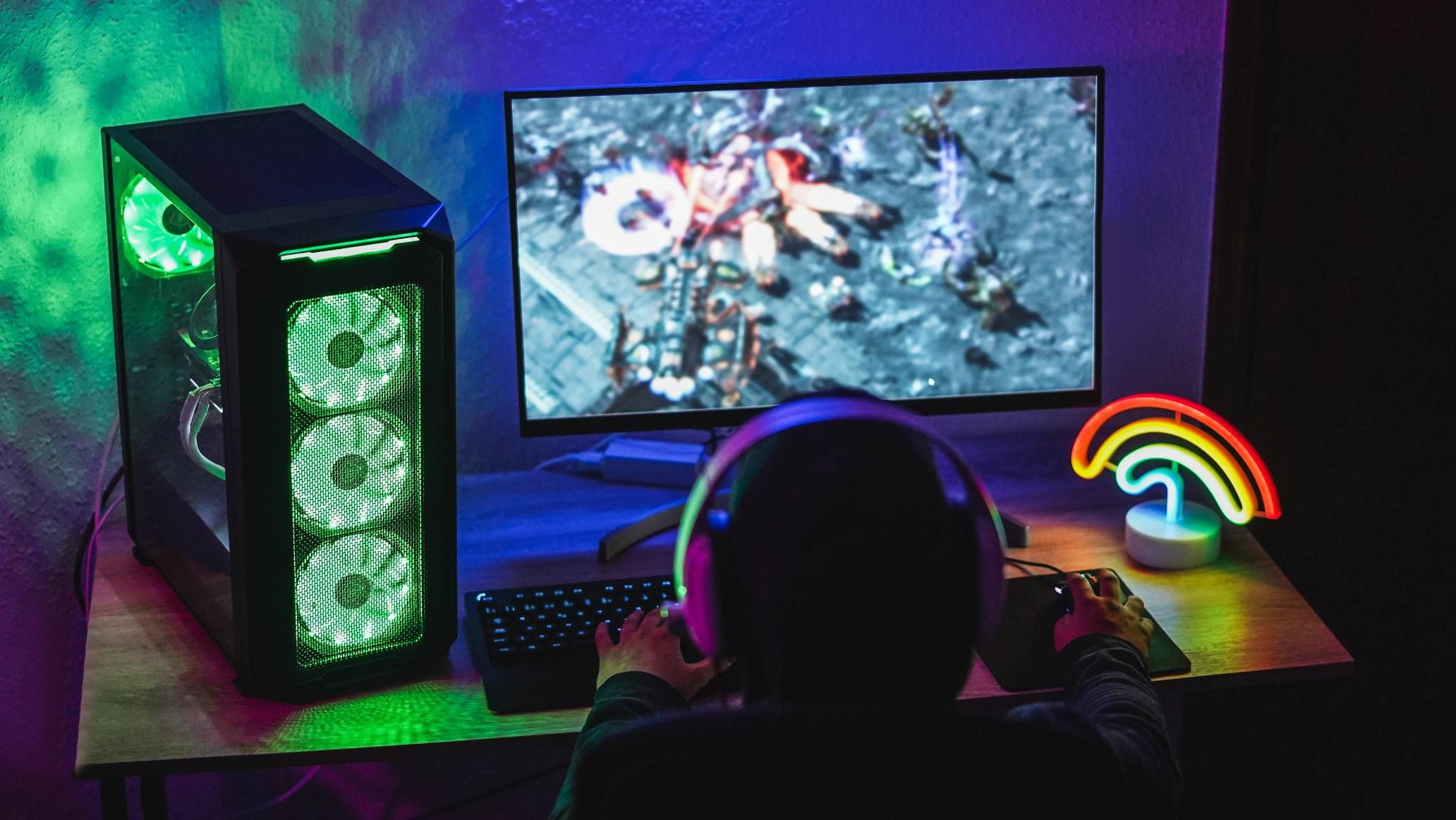
The Real-World Skills You Gain from Gaming: More Than Just Play
While many perceive gaming as mere entertainment, it cultivates a variety of practical skills that can be applicable in the real world. For instance, multi-tasking is a fundamental skill developed through complex gameplay scenarios that require players to juggle multiple objectives at once. Alongside this, critical thinking and problem-solving capabilities are sharpened as players strive to overcome challenges and puzzles within the game. Team collaboration is another vital skill reinforced in multiplayer settings, where effective communication and strategic planning become essential for success.
Moreover, gaming can enhance technological literacy, as players often navigate sophisticated platforms, tools, and interfaces. This familiarity with technology translates into a competitive edge in the increasingly digital workforce. Furthermore, time management and resilience are also key takeaways; players learn to prioritize tasks and manage their time effectively under pressure, turning failures into learning experiences. Ultimately, the skills you harness through gaming extend far beyond the screen, equipping you for various facets of personal and professional life.
Counter-Strike is a highly popular multiplayer first-person shooter game that has dominated the eSports scene for years. Players are split into teams, typically terrorists and counter-terrorists, and engage in tactical missions that often require teamwork and strategy. If you're also interested in gaming accessories, check out the Top 10 apple vision pro accessories for an enhanced experience.
Can Video Games Boost Your Problem-Solving Abilities?
Video games have long been a source of entertainment, but recent studies suggest that they may also enhance your problem-solving abilities. Engaging with complex game mechanics often requires players to think critically, evaluate multiple outcomes, and make quick decisions. For instance, puzzle-based games or strategy games, such as Portal or StarCraft, challenge players to devise strategic plans to overcome obstacles, which directly translates to improved analytical skills in real-world scenarios. Furthermore, the immersive nature of these games encourages players to experiment with different solutions, fostering a mindset that embraces creativity and innovation.
Additionally, many video games incorporate multiplayer elements that require teamwork and communication, further enhancing problem-solving abilities. In team-based games, such as Overwatch or League of Legends, players must collaborate, delegate roles, and strategize with one another to achieve common goals. This not only improves individual cognitive skills but also nurtures interpersonal skills and adaptability. As a result, regular gameplay can help individuals develop a robust set of problem-solving tools that can be applied in both personal and professional contexts, making video games a valuable tool for cognitive development.
How Teamwork in Gaming Prepares You for Real-Life Collaboration
In the world of gaming, teamwork is not just encouraged; it is essential for success. Players must communicate effectively, strategize in real-time, and share responsibilities to achieve a common objective. Whether in multiplayer online battle arenas (MOBAs) or cooperative role-playing games (RPGs), players learn to rely on one another's strengths, adapt to challenges, and overcome obstacles as a cohesive unit. This experience hones vital collaboration skills that transcend the virtual realm, making gamers adept at working in teams in their professional and personal lives.
Moreover, gaming environments often simulate high-pressure situations, where quick decision-making and flexibility are crucial. Participating in these scenarios can significantly enhance interpersonal skills, such as conflict resolution and emotional intelligence, as players navigate differing opinions and learn to compromise. Ultimately, the lessons learned through teamwork in gaming foster a sense of community and trust, empowering individuals to communicate more effectively and work harmoniously within any group setting they encounter after leaving the digital world.