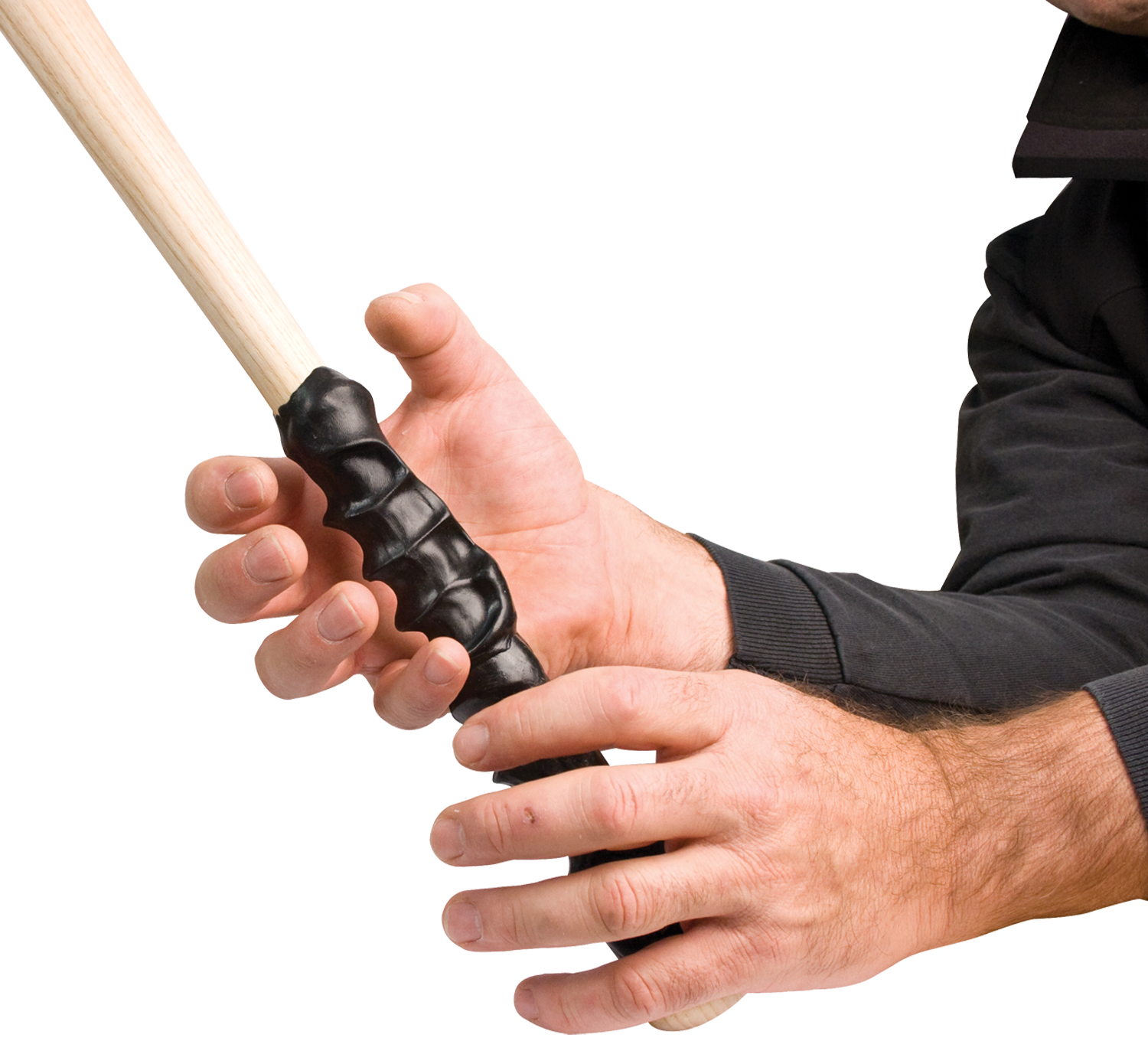
The Science Behind Grip Strength: Why It Matters More Than You Think
The science behind grip strength has gained significant attention in recent years, highlighting its importance beyond just physical fitness. Grip strength is a measure of the force exerted by the muscles of the hand and forearm, and it serves as a crucial indicator of overall health. Studies have shown that grip strength can predict various health outcomes, such as the risk of chronic diseases, functional decline, and even mortality. Stronger grip strength is often tied to better cardiovascular health, improved bone density, and enhanced performance in daily activities, emphasizing that this simple measure can reveal much about our overall well-being.
Moreover, the implications of grip strength are not limited to just physical health; they extend into cognitive and emotional realms as well. Research indicates that individuals with higher grip strength may experience lower levels of stress and anxiety, leading to improved mental well-being. Additionally, engaging in exercises that enhance grip strength, such as weight lifting or rock climbing, can foster a sense of accomplishment and boost self-esteem. Therefore, prioritizing grip strength training can significantly contribute to a more balanced and healthy lifestyle.
Counter-Strike is a highly popular first-person shooter game that has captivated millions of players worldwide. It emphasizes teamwork and strategic gameplay, where players assume the role of either terrorists or counter-terrorists, each with specific objectives. For gamers looking to enhance their mobile gaming experience, consider checking out the Top 10 iPhone Ring Holder Stands to improve grip and control during intense matches.
10 Everyday Activities That Improve Your Grip and Overall Performance
Improving your grip strength is essential for enhancing overall performance in various activities, from sports to daily tasks. Here are 10 everyday activities that can notably contribute to better grip strength:
- Rock Climbing: This popular outdoor activity demands strong hands and fingers, making it a fun way to build grip.
- Weight Lifting: Incorporate exercises like deadlifts and pull-ups, which naturally require a strong grip.
- Yoga: Certain poses encourage the development of grip strength while improving flexibility and balance.
- Playing a Musical Instrument: Instruments like guitar or piano require finger dexterity and grip, enhancing overall hand strength.
- Gardening: Digging, planting, and pruning can effectively build grip strength while connecting you with nature.
Additionally, incorporating these activities into your daily routine can yield significant benefits:
- Cooking: Chopping vegetables and handling utensils help improve your hand strength.
- Cleaning: Tasks like scrubbing and mopping strengthen hands and forearms.
- Manual Labor: Jobs or hobbies that involve physical work, such as woodworking, provide excellent grip training.
- Playing Sports: Engaging in sports like tennis or basketball requires hand-eye coordination and grip strength.
- Using Stress Balls: Squeezing stress balls or grip trainers can be an effective way to build strength at your desk.
How to Train Your Grip: Tips and Techniques for Everyday Strength
Training your grip is essential not only for athletes but also for anyone seeking to enhance their everyday strength. A strong grip can improve your performance in various activities, from opening jars to lifting weights. One effective technique is progressive overload, where you gradually increase the resistance or duration of your gripping exercises. Consider incorporating exercises such as dead hangs, which target your forearm muscles, and farmer's walks, which combine grip strength with core stability. These exercises can be easily integrated into your routine, providing significant benefits.
Another vital tip for grip training is to focus on variety. Using different grip tools, like grippers or weighted wrist straps, can help develop different aspects of your grip strength. Additionally, consider incorporating dynamic movements, such as pull-ups or rope climbs, to engage your forearms in multiple ways. Remember to allow adequate time for recovery since grip training can be taxing on your muscles. Consistency and patience are key; over time, you'll notice an improvement in not just your grip strength but your overall functional fitness.