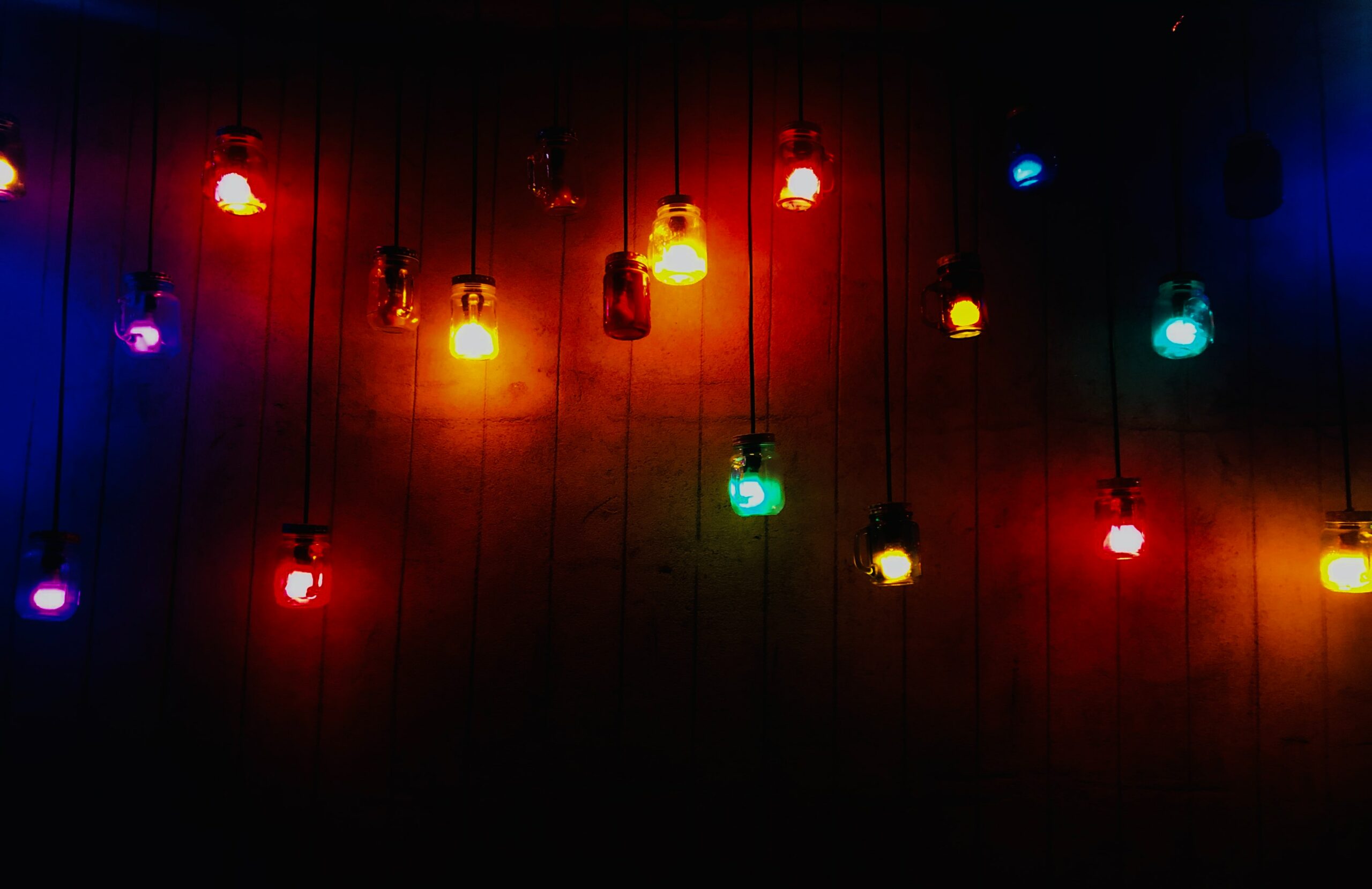
How Mood Lighting Can Transform Your Home Environment
Mood lighting has the power to significantly transform your home environment, enhancing not just the aesthetics but also the emotional ambiance of your space. By strategically placing different light sources, such as floor lamps, sconces, and LED strips, you can create varied atmospheres that cater to different activities. For instance, soft, warm lights are ideal for relaxation and unwinding after a long day, while brighter, cooler tones may be more suitable for workspaces. Incorporating layered lighting can further add depth and dimension to your rooms.
Additionally, the use of mood lighting can positively affect your mood and well-being. According to studies, certain colors and intensities of light can evoke specific emotions. For example, blue lighting is known for its calming effects, making it perfect for bedrooms or meditation spaces, while yellow hues can create an inviting and cheerful atmosphere in living areas. By incorporating smart lighting solutions that allow you to control brightness and color with the touch of a button, you can easily adapt your home environment to suit your mood and enhance your overall experience.
Counter-Strike is a popular first-person shooter game that pits teams of terrorists against counter-terrorists, challenging players with objective-based gameplay. It has evolved significantly since its inception, with various iterations and updates enhancing the gaming experience. For creators looking to capture their gameplay or enhance their streaming setup, check out the Top 10 iPhone accessories for creators, which can complement your gaming and content creation activities.
The Science Behind Mood Lighting: Why It Matters
Mood lighting plays a crucial role in our emotional well-being and can significantly influence our mental state. The science behind mood lighting revolves around how different lighting conditions affect our brains and subsequently, our emotions. Research has shown that warm colors like amber and soft yellow can evoke feelings of comfort and relaxation, while cooler tones like blue and green can enhance focus and productivity. By manipulating the intensity and color of light, we can create an environment that aligns with our desired mood, making it essential for both personal spaces and commercial settings.
Moreover, the impact of mood lighting extends beyond aesthetics; it can affect our biology too. Studies indicate that exposure to certain types of lighting can influence our circadian rhythms, affecting our sleep patterns and overall health. For instance, bright, harsh lighting in the evening can disrupt melatonin production, leading to insomnia and other sleep-related issues. Thus, incorporating thoughtful mood lighting into our daily lives not only enhances our living spaces but also promotes better health and well-being, highlighting why it matters.
Can the Right Lighting Improve Your Mood and Productivity?
Lighting is often an overlooked aspect of our daily environment, yet it plays a crucial role in influencing our mood and overall productivity. Natural light, for instance, has been shown to boost serotonin levels, which helps enhance mood and focus. In contrast, insufficient or harsh artificial lighting can contribute to feelings of fatigue and lethargy. A study by the American Society of Interior Designers found that individuals working in environments with optimal lighting reported a 20% increase in productivity. Thus, it is clear that the right lighting can create a more positive and efficient workspace.
Furthermore, the type of lighting used can vary depending on the task at hand. For example:
- Warm lighting is ideal for relaxation and unwinding, making it perfect for evening reading or social gatherings.
- Cool lighting, on the other hand, is better suited for focused work, as it mimics daylight and helps improve concentration.