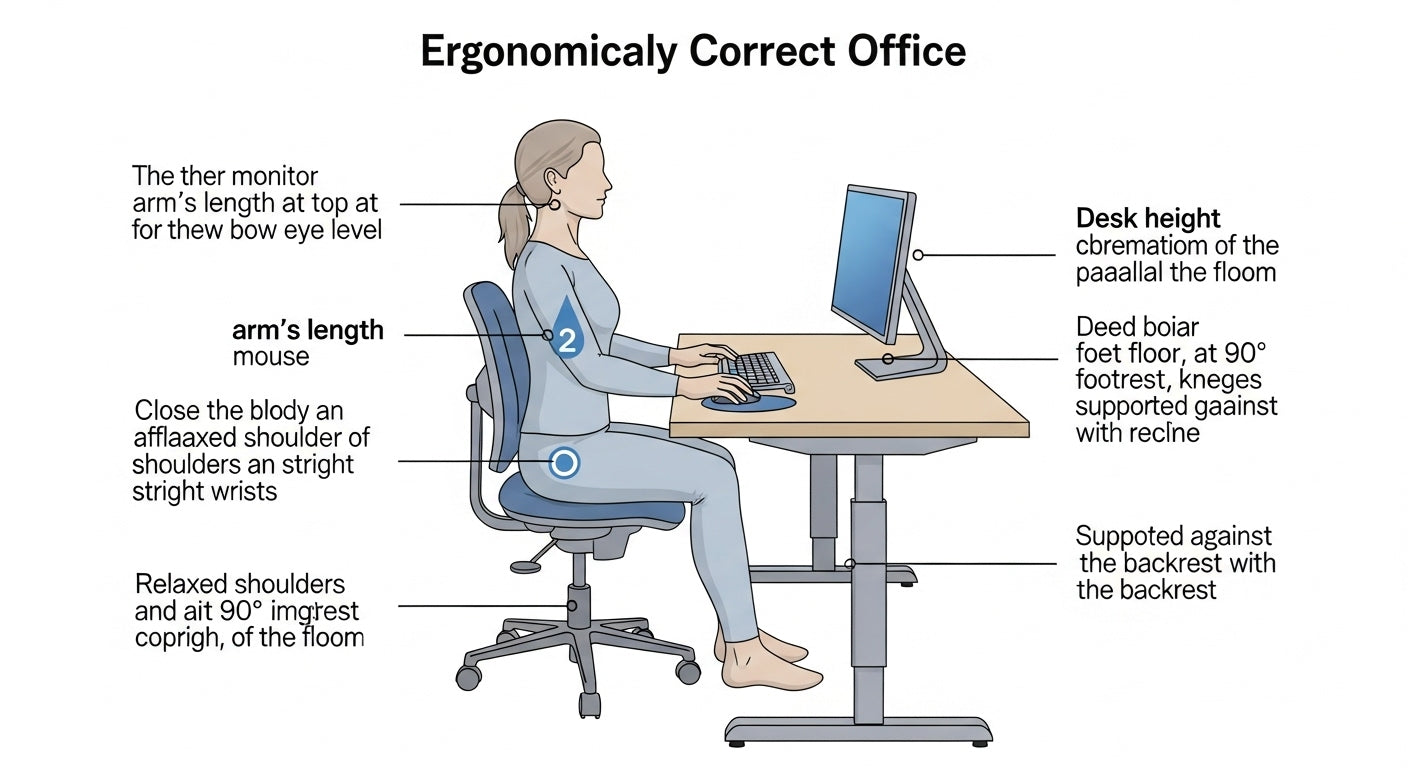
The Science of Ergonomics: How Comfort Boosts Productivity
The Science of Ergonomics delves into the intricate relationship between our physical environment and our productivity. With the modern workforce spending countless hours seated at desks, understanding ergonomic principles has never been more crucial. Research shows that proper ergonomic design can enhance comfort, reduce fatigue, and lower the risk of musculoskeletal disorders. By tailoring office setups—such as chair height, monitor positioning, and keyboard placement—to fit individual needs, employees can experience significant improvements in focus and efficiency.
Additionally, creating an ergonomic workspace can lead to a more positive psychological state, which is essential for boosting productivity. Studies indicate that workers who enjoy their physical surroundings are more likely to stay engaged and motivated. Incorporating simple changes like standing desks, ergonomic chairs, or even cushioning underfoot can transform an ordinary workspace into a hub of creativity and productivity. In summary, embracing the science of ergonomics not only prioritizes comfort but also paves the way for enhanced performance in any work environment.
Counter-Strike is a renowned first-person shooter game that has captivated millions of players worldwide. The game revolves around team-based gameplay, where players can choose to be part of either the terrorist or counter-terrorist faction. With its tactical depth and emphasis on strategy, players must work together to achieve objectives such as planting bombs or rescuing hostages. While enjoying the game, you might find your reading experience enhanced with Top 10 iPad Accessories for Reading that can help you immerse yourself further into the gaming narrative.
Top 5 Ergonomic Design Principles for Your Workspace
Creating a workspace that promotes both comfort and productivity is essential, and adhering to ergonomic design principles can significantly enhance your experience. Here are the Top 5 Ergonomic Design Principles that you should incorporate into your workspace:
- Adjustable Furniture: Invest in an adjustable chair and desk that allows you to find the right height and support for your body.
- Optimal MonitoR Placement: Position your monitor at eye level to reduce neck strain, ensuring that you don't have to look up or down.
- Keyboard and Mouse Position: Keep your keyboard and mouse close to your body to minimize reaching, helping maintain a neutral wrist position.
- Lighting: Make sure your workspace is well-lit to reduce eye strain. Natural light is ideal, but supplementary lighting should not cause glare on screens.
- Frequent Breaks: Adopt the 20-20-20 rule: every 20 minutes, look at something 20 feet away for 20 seconds to give your eyes a break.
Is Your Chair Killing Your Productivity? Understanding Ergonomic Seating
In today’s fast-paced work environment, the importance of ergonomic seating cannot be overstated. Many professionals spend hours glued to their chairs, but what most don't realize is that an inadequately designed chair can be detrimental to both health and productivity. Poor posture due to improper seating can lead to a variety of physical problems, including back pain, neck strain, and fatigue, ultimately affecting your work performance. Investing in a chair that promotes proper alignment can significantly enhance your comfort levels and, in turn, boost your productivity.
When selecting an ergonomic chair, consider features such as adjustability, lumbar support, and seat depth. A well-designed chair should allow you to customize your sitting experience to fit your body, which helps to maintain optimal posture. Moreover, a chair that supports your natural spine curvature can facilitate better blood circulation and reduce stress on your muscles. As you reevaluate your workspace, ask yourself: Is your chair killing your productivity? Investing in ergonomic seating not only enhances comfort but is a vital step towards achieving long-term success in your professional life.