The Hidden Impact of Renewable Energy: How Solar and Wind Shape Our Future
The shift towards renewable energy sources, particularly solar and wind, is reshaping the landscape of our future in ways that are often overlooked. The environmental benefits of these energy sources are widely noted; however, their hidden impact transcends mere emissions reductions. For instance, the job market is experiencing a revival as the renewable sector grows. According to the International Renewable Energy Agency, the number of jobs in renewable energy is projected to reach 24 million by 2030. This boom not only fosters economic growth but also empowers communities, providing opportunities for those in regions traditionally reliant on fossil fuels.
Additionally, the integration of solar and wind energy into the grid is paving the way for technological advancements that can transform energy consumption. Smart grids, energy storage solutions, and decentralized power generation are becoming more prevalent due to this shift. These technologies can significantly enhance energy efficiency, allowing consumers to manage their energy use better and reduce costs. As a result, investing in renewable energy not only promises a cleaner environment but also leads to a resilient and economically sustainable future.
Counter-Strike is a highly competitive first-person shooter game that has captivated gamers since its release. Players engage in tactical battles as either terrorists or counter-terrorists, working together to complete objectives. In addition to gaming, you might want to check out the Top 10 Samsung Galaxy Ultra Accessories to enhance your mobile experience.
10 Jaw-Dropping Facts About Electricity Consumption You Never Knew
Electricity consumption is a fascinating topic, revealing insights into both personal habits and global trends. Did you know that approximately 20% of global electricity consumption is attributed to residential use? This includes everything from heating and cooling systems to household appliances. In fact, according to the U.S. Energy Information Administration, heating and cooling account for around 50% of the energy used in the typical American home.
Another jaw-dropping fact is that the world collectively consumes over 23,000 terawatt-hours (TWh) of electricity annually. This figure is projected to keep rising, driven by increased use of electronic devices and the shift towards electric vehicles. Interestingly, renewable energy sources have seen a surge in usage, with wind and solar energy now making up about 10% of the total electricity consumption. This shift is crucial in the fight against climate change and indicates a growing awareness of sustainable energy practices.
How Does Your Smartphone Charge? Unraveling the Mystery of Modern Power Sources
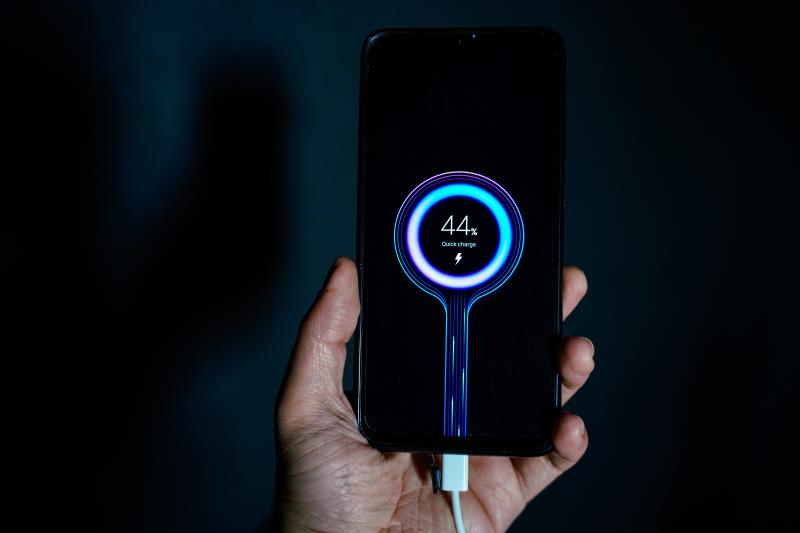
Understanding how your smartphone charges involves a combination of both technology and chemistry. When you connect your smartphone to a charger, electrical energy is converted into chemical energy within the lithium-ion battery. This battery contains compartments that allow ions to move from the anode to the cathode through an electrolyte, thus storing energy. As the battery charges, processes known as oxidation and reduction occur, enabling the battery to eventually reach its full capacity. This intricate process may seem like magic, but it's all rooted in the principles of electromotive force and energy conversion.
The type of charger and cable you use can also significantly impact the speed and efficiency of how your smartphone charges. Most modern smartphones support fast charging technology, which increases voltage and current to reduce charging time. Additionally, the use of USB-C connectors has become standard, as they provide higher power levels and allow for two-way charging. However, it's essential to use compatible chargers to prevent damage to your device. In essence, the combination of advanced technology, efficient battery chemistry, and proper charging equipment all play crucial roles in how effectively your smartphone charges.